HW 1: Digital Technologies as a Tool Response
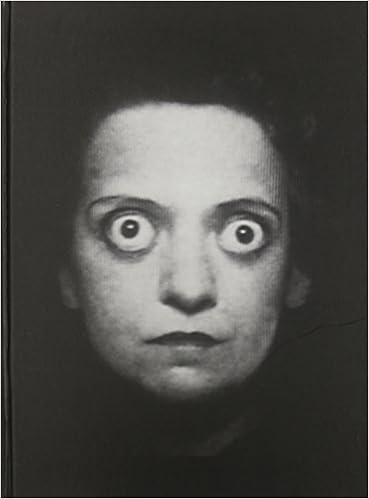
From reading the chapter in Digital Technologies as a Tool, the culture surrounding digital technologies has grown exponentially within the past decades while also being integrating into multiple components of modern artwork.
The piece that I found the most favoring was titled Beauty Composites First and Second, created by Nancy Burson in 1982. This work served as the early adoption of utilizing digital art as a medium. The images were constructed using a technique known as morphing, which has been defined as being able to transform images by compositing. This was rather interesting due to my unending interest in crime dramas such as Law & Order. This technique was actually appropriated to be used in law-enforcement agencies in order to produce alterations of suspects or POIs (Person of Interest for all of you non-fans out there.) Bruson also used mathematical functions such as the Csuri's constitutes, which allowed Burson was able to transform one image onto another, morphing different people together. Within Burson’s images, she morphed together portraits of some famous female celebs, such as Bette Davis, Audrey Hepburn, and Marylin Monroe ( I did a paper on her!)
This was a fascinating read and also very insightful. If you check out Buzzfeed, they also produced a video using similar techniques as Burson. They combed through various locals in respective countries and created a composite of what the average person would look like if you were to visit the country. It is nice to see how people have taken this form and transposed it into something exciting for viewers.


Comments
Post a Comment